Tasez

Dr Bheka Zulu

TASEZ CEO to spotlight Africa’s automotive opportunity at SEZ Summit in Durban

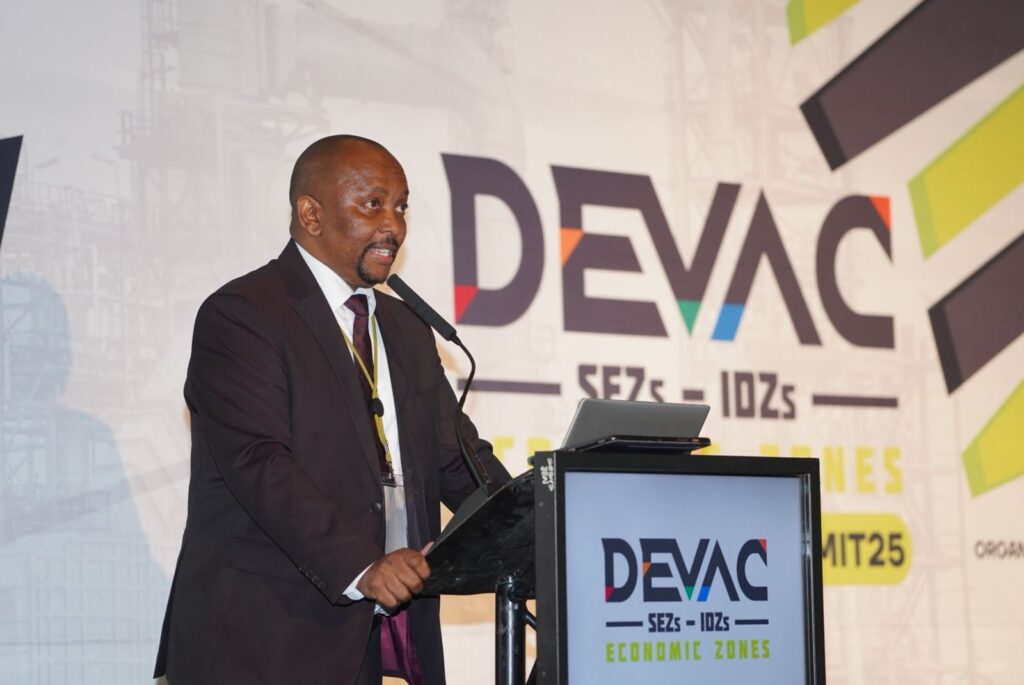
By Mandla Mpangase A summit focused on how economic zones can be a growth opportunity for South Africa gets underway in Durban, KwaZulu-Natal today. Taking place from 3 – 4 December 2025 under the theme “Transforming Africa’s economy: Catalysing growth and future investment by enhancing competitiveness through SEZ and IDZ projects”, the DEVAC Special Economic Zones/Industrial Development Zones Summit brings together governments, representatives from SEZs and IDZs, private-sector leaders, development experts, and global investors to map out the next era of Africa’s industrial expansion. The Tshwane Automotive Special Economic Zone (TASEZ) CEO Dr Bheka Zulu will be a key panellist on 4 December 2025 in a high-level discussion exploring how Africa can unlock greater value from its emerging automotive sector. Driving value addition and youth employment through innovation Dr Zulu will join the panel titled “Leveraging industrial clustering, 4IR, and Africa’s emerging auto sector to drive value addition and youth employment in SEZs”. The session will unpack how SEZs can accelerate industrialisation through advanced manufacturing, Fourth Industrial Revolution technologies, and integrated value chains – areas  in which TASEZ has rapidly positioned itself as a national leader. TASEZ has become South Africa’s fastest- growing automotive hub and a cornerstone of the country’s reindustrialisation agenda. Dr Zulu’s contribution to the panel is expected to provide practical insights into how SEZs can cultivate specialised skills, create youth employment, and attract sustainable investment by leveraging industrial clustering and global automotive trends. The discussion will be moderated by Prof. Joe Amadi-Echendu from the University of Pretoria’s Engineering and Technology Management faculty. Dr Zulu will be joined by a distinguished group of panellists, including: Nomvula Shongwe-Gulwako, Acting CEO, Royal Science and Technology Park, Eswatini Tapiwa Samanga, Group CEO, Production Technologies Association of South Africa (PtSA) Dr Luyolo Mabhali, Executive Cluster Manager: Future Production – Manufacturing, CSIR Anathi Mlungwana, Unit Head: Trade Facilitation, Coega Development Corporation Philip Krause, Consulting Manager: Transport, Pegasys Global Consulting Together, the panel will explore how economic zones can shift from traditional manufacturing to innovation-driven ecosystems that promote competitiveness, integrate regional value chains, and support Africa’s industrial ambitions. Unlocking the full potential of economic zones The summit itself underscores the growing importance of SEZs and IDZs in driving Africa’s economic future. These zones, designed to boost local industries, streamline investment processes, and enhance regional exports, are central to the continent’s efforts to compete in a rapidly evolving global economy. While SEZs and IDZs offer significant promise, their potential remains under-utilised due to challenges ranging from infrastructure gaps to regulatory complexity and limited financing. The summit aims to address these barriers by strengthening collaboration among governments, investors, and industry leaders. A strategic moment for Africa As global demand shifts toward greener manufacturing, digital transformation, and resilient supply chains, Africa’s economic zones—particularly in high-growth sectors like automotive production—are poised to play a defining role. Dr Zulu’s participation signals South Africa’s commitment to shaping that future, positioning TASEZ not only as a national success story but as a continental model for how innovation and industrial clustering can transform economies and create sustainable employment. The summit’s insights are expected to guide future investment, strengthen partnerships, and accelerate the development of competitive and globally connected economic zones across Africa.

How South Africa’s G20 Presidency can accelerate industrial growth through TASEZ

When South Africa welcomes the world to the G20 Leaders’ Summit this month, our nation will experience one of the most profound moments of global visibility since the country’s dawn of democracy, writes the CEO of the Tshwane Automotive Special Economic Zone (TASEZ), Dr Bheka Zulu. As heads of state, global CEOs, investors, and development partners converge on our shores for the G20 Leaders’ Summit on 22 and 23 November 2025, the world’s gaze will fall not only on our political leadership, but on our economic capability, our industrial resilience, and our readiness to take our place in a rapidly shifting global economy. For those of us tasked with building South Africa’s next-generation industrial platforms, this moment is far more than a diplomatic milestone. It is an opportunity to reshape the country’s industrial trajectory for decades to come. And for the Tshwane Automotive Special Economic Zone (TASEZ), it is a chance to demonstrate that South Africa can compete, innovate, and lead in one of the world’s most dynamic sectors: automotive manufacturing. South Africa in the global spotlight The G20 is not just a gathering of 20 world leaders. It is a year-long platform where global investment sentiment is shaped, where development financing agendas are debated, and where emerging markets like South Africa position themselves as credible partners in the global value chain. It has already triggered accelerated investments in infrastructure, logistics, and city improvement projects, particularly in Gauteng. This matters for industrial zones like TASEZ. Better roads, more reliable energy, and upgraded transport networks are the lifeblood of manufacturing competitiveness. But the physical changes are only part of the story. The more significant shift is reputational. A successful G20 presidency can strengthen investor confidence, deepen trust in our economic institutions, and position South Africa as a stable, future-oriented industrial hub. That alone makes this moment essential for TASEZ and the broader automotive sector. Global industrial priorities What excites me is how closely South Africa’s G20 priorities align with TASEZ’s mission. The 2025 agenda focused on: Financing the just energy transition Inclusive industrialisation Sustainable development The role of critical minerals Mobility and climate resilience These are not abstract ideas, they cut to the heart of the automotive industry’s transformation. As highlighted by the recent New Energy Summit held in Gauteng in October 2025, global value chains are pivoting to green mobility, clean manufacturing, and Africa’s integration into supply networks. TASEZ is uniquely positioned in this transition. We are already home to one of Africa’s most dynamic automotive production ecosystems, and we are preparing for a future that includes electric mobility, deeper localisation, and expanded supplier development. If South Africa leverages its G20 presidency effectively, we can secure the policy tools, partnerships, and financing mechanisms needed to accelerate this transition. Showcasing South Africa’s successes The world will not judge us by speeches alone. They will judge us by what we build. This is why TASEZ intends to use the G20 window to demonstrate what coordinated public–private investment can achieve. As the fastest-growing automotive special economic zone (SEZ) on the continent, we have a compelling story to tell — one of job creation, skills development, township inclusion, supplier growth, and industrial expansion. We should be bold in inviting foreign delegations, development finance institutions, and global OEMs to see the zone firsthand. Site visits, technical tours, and bilateral industry roundtables can turn interest into investment. The G20 gives us a once-in-a-generation platform to do this at scale. The G20 Leaders’ Summit will bring renewed attention to Africa’s role in the global economy. For TASEZ, this is an opportunity to expand its influence beyond South Africa’s borders. Through stronger relationships with the Southern African Development Community (SADC) and African Union partners, we can position TASEZ as a catalyst for regional automotive value chains — a future where components made in Botswana, Mozambique, Zambia, or Zimbabwe flow seamlessly into assembly lines in Tshwane. More than symbolic South Africa must convert visibility into tangible improvements in industrial competitiveness. We must guard against the tendency to treat major summits as symbolic rather than strategic. Investment is not secured by banners, speeches, or social media clicks. It is secured by credibility, efficiency, transparency, and delivery. For TASEZ, this means: strengthening governance; accelerating infrastructure development; ensuring investor facilitation is world-class; and delivering certainty around timelines, incentives, and operations. The 2025 G20 Summit is a strategic opportunity for South Africa to reposition itself as the continent’s industrial leader, providing a platform for government, business, and development partners to act with unity. For TASEZ, it is a chance to amplify what we already know: that South Africa can build globally competitive manufacturing hubs; that our people can produce world-class automotive products; and that, with the right partnerships, we can transition into the mobility future with confidence. The world is coming to South Africa. Will we use this moment to shape our industrial destiny? We at TASEZ intend to do just that.

BBBEE can help drive industrial transformation in SA’s automotive sector

Broad-based black economic empowerment was never meant to be about compliance. It was meant to be about change, about opening doors, building skills, and creating real economic inclusion, writes Dr Bheka Zulu, CEO of the Tshwane Automotive Special Economic Zone. When we talk about transformation in South Africa’s economy, it often sounds like we are talking about paperwork. Too often, broad-based black economic empowerment (BBBEE) gets treated as a box-ticking exercise, a scorecard to be managed, instead of a movement to be led. But BBBEE was never meant to be about compliance. It was meant to be about change, about opening doors, building skills, and creating real economic inclusion. At the Tshwane Automotive Special Economic Zone (TASEZ), we sit at the crossroads of two of South Africa’s biggest goals: industrialisation and empowerment. This week, as we hosted a BBBEE Commission workshop with our tenants, partners, and local community representatives, one issue came into clear focus – transformation in the automotive sector must go beyond talk. It needs to deliver real, measurable results. A sector that matters The automotive industry plays a huge role in South Africa’s economy. It contributes around 5.3% to national GDP and about 30% of total manufacturing output. Behind those numbers are people – more than 130 000 direct jobs, and many thousands more through the supply chain. But the truth is, transformation has not kept pace with this growth. Leadership in the sector still does not reflect the demographics of our country. Ownership remains concentrated. Supplier development often stops at token efforts. As the industry shifts toward new energy vehicles (NEVs), we have an opportunity to correct this. The future of the automotive sector cannot mirror the inequalities of the past. BBBEE gives us the framework to do things differently. The codes of good practice were never just about ownership; they were about five interconnected pillars: ownership; management control; skills development; enterprise and supplier development; and socio-economic impact. These must now become the foundation for how we build a fairer, more innovative, and future-ready industry. Turning policy into progress At TASEZ, we have made a deliberate choice to make transformation practical and measurable. In recent years, we have channelled more than R1.7-billion in contracts to small, medium and micro enterprises (SMMEs), many of them black- and women-owned. Over 40% of our procurement is local. Those are not just numbers on a page, they translate to more than 5 000 jobs created during construction, 80% of them for women and 60% for young people. People with disabilities are also increasingly part of our projects. But transformation is not just about procurement spend. It is about building capacity that lasts. I would suggest we establish a Skills Development Forum that brings together original equipment manufacturers (OEMs), component suppliers, and local colleges to make sure the skills we teach match the jobs that exist and the jobs that will exist in the future. Small businesses are another priority. Many promising enterprises do not fail because of a lack of ideas, they fail because they do not have the support systems for compliance, HR, or financial management. That is why TASEZ is introducing shared back-office support for SMMEs in the automotive value chain. If we want black industrialists to thrive, we cannot expect them to do it alone from garages and backrooms. Building local capacity Real transformation is also about building economic independence. For too long, our sector has depended on imports. We have to change that by focusing on localisation and innovation. Our goal, as expressed in the South African Automotive Masterplan 2035, is to raise local content levels from 40% to at least 60%. That means developing black-owned suppliers into full manufacturers, innovators, and exporters, not just intermediaries. It means investing in partnerships with universities and research institutions, so that South African engineers and entrepreneurs can lead the way in electric mobility, battery recycling, and green manufacturing. We should also put in place a Green SMME Innovation Sandbox to support enterprises involved in circular economy opportunities like waste recovery, e-waste, and battery recycling. Let us create a space where new ideas can be tested. The future of BBBEE is as much about sustainability as it is about ownership. Inclusion must be intentional True transformation leaves no one behind. We have seen the incredible results when women and people with disabilities are intentionally included in training, production, and leadership. That inclusion needs to become standard practice. The same applies to our local communities. Our social compact with residents around TASEZ is not symbolic, it is real. Through enterprise incubation, community training, and mentorship programmes, we are working to make sure that the special economic zone (SEZ) model uplifts the people who live closest to it. Transformation and competitiveness go hand in hand The automotive sector is at a major turning point. By 2035, the world will be dominated by NEVs. Export markets are already tightening their emissions standards, and if we don’t adapt quickly, we risk being left behind. Transformation must therefore be seen as a tool for competitiveness. BBBEE should drive innovation and productivity, not just compliance. It should open doors for local firms to access global supply chains and strengthen their ability to compete. That means better financing for black suppliers, guaranteed offtake agreements, and strong mentorship partnerships between international OEMs and emerging South African manufacturers. The road ahead Our message is simple: let us reclaim BBBEE as a national mission for industrial renewal. Let us link empowerment to productivity, localisation to sustainability, and inclusion to innovation. The next phase of transformation must be about building black-owned exporters, green manufacturers, and a generation of young technicians ready for the digital and green mobility era. We need to move from counting scorecards to building real capacity, because transformation is not only about fairness, it is about South Africa’s readiness for the future.

TASEZ shows how SA can build an economy that works for all

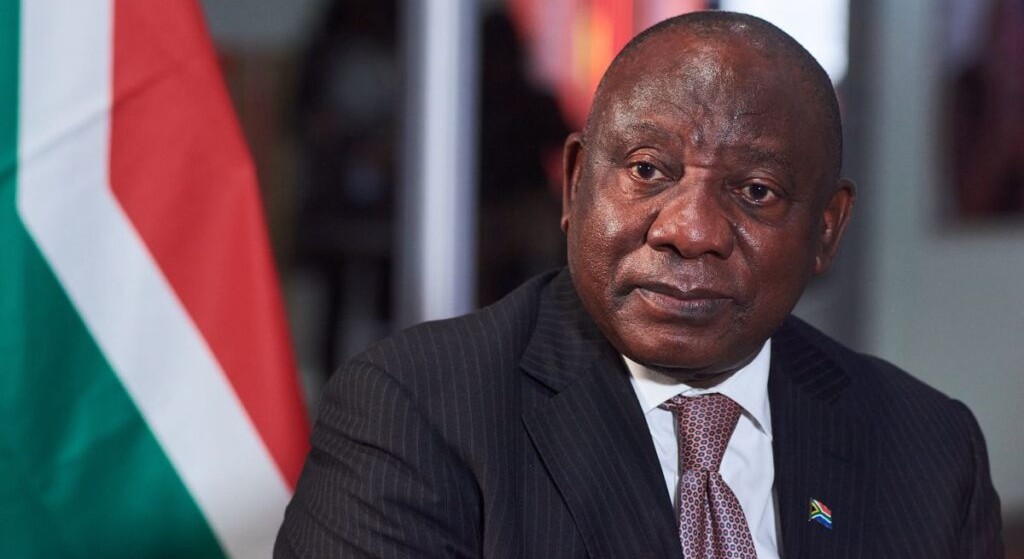
By Mandla Mpangase Every South African knows that when infrastructure fails, life becomes harder. Jobs disappear. Businesses relocate. Communities lose hope. But when infrastructure works, everything else begins to work too. Factories stay open. Investors arrive. That is the import of the speech given on 13 November 2025 by President Cyril Ramaphosa at the National Construction Summit held in Kempton Park, Ekurhuleni. “We are a gathered here not just to talk about building an industry, but to build a nation,” the president said, adding: “We are gathered here to share a dream and determination to build a country that works for all its people. South Africa’s national economic drive has never been only about building structures; it has always been about building a country that gives every person a fair chance – something clearly articulated in the National Development Plan (Vision 2030). And the message has been clearly stated through the years of democracy. “From a social development perspective, infrastructure provides people with what they need to thrive,” President Ramaphosa told the summit participants. “It improves the quality of life and can play a key role in reducing inequality. Through reliable infrastructure we can boost productivity and reduce costs of living.” It also provides countries with what they need to grow and develop. “Infrastructure facilitates trade and commerce. When we boost infrastructure through the construction industry we attract investment.” And few places capture this mission more clearly than the Tshwane Automotive Special Economic Zone (TASEZ). Where infrastructure becomes industrial strength “Infrastructure is the backbone of development because, among many other reasons, it bolsters economic competitiveness and sustainability. Without infrastructure economic growth slows down, inequality deepens and the quality-of-life declines,” Ramaphosa said. For years, underinvestment in roads, rail and logistics has held back the key sectors of mining, agriculture, and manufacturing. But South Africa is now shifting course. As the president pointed out: “Infrastructure is poised to once again become the flywheel of the economy. Infrastructure investment is one of the most effective levers for stimulating economic activity.” This is evident in the employment figures released by Statistics SA earlier this week. The latest Quarterly Labour Force Survey released by Statistics South Africa in November 2025 indicates a decrease in the official unemployment rate from 33.2% in the second quarter of this year to 31.9% in the third quarter. Employment increased by 248 000 in the third quarter, with construction the largest contributor with 130 000 new jobs. This is not an accident. It is the result of a deliberate national effort to turn infrastructure into a growth engine. And TASEZ is one of the clearest examples of what that looks like in practice. The special economic zone (SEZ) is proof that when investment is made in the right infrastructure such as reliable power, efficient logistics, modern digital systems, further investment is made, jobs are created, and industrial capability is strengthened. TASEZ is where South Africa’s automotive future is being built, factory by factory, with global manufacturers choosing the Tshwane SEZ because the fundamentals are already in place. A model for inclusive growth The zone is succeeding not only because of its industrial strength but because of its social impact. It is bringing economic activity to communities long left on the periphery. It is creating opportunities for young people entering technical fields. It is giving small businesses a stake in a globally competitive value chain. As TASEZ CEO, Dr Bheka Zulu, notes: “When we talk about spatial redress, this is what it looks like: development that doesn’t speak about communities but works with them.” Towards investment Government has committed R1-trillion in infrastructure spending over the medium term, alongside reforms to unlock greater private investment. Procurement war rooms, new public-private partnership guidelines and accountability frameworks are designed to ensure that projects do not stall but move quickly from planning to ground-breaking. As the world prepares to join South Africa for the G20 Leaders’ Summit, the country is showing what renewal looks like on the ground. Roads being rebuilt. Industrial zones like TASEZ expanding. If this momentum is sustained, TASEZ will not be the exception but the blueprint, demonstrating what is possible when strong infrastructure, a capable state and committed investors come together.  

TASEZ secures fifth consecutive clean audit, affirming strong governance

The Tshwane Automotive Special Economic Zone (TASEZ) has once again demonstrated excellence in public-sector governance, securing its fifth consecutive clean audit from the Auditor-General. Africa’s first automotive city, TASEZ continues to strengthen its position as South Africa’s premier special economic zone for automotive investment. The achievement comes as the organisation advances its Phase 2 development, expanding its industrial footprint and diversifying opportunities for investors in the automotive manufacturing value chain. CEO Dr Bheka Zulu says the clean audit underscores TASEZ’s commitment to transparency, consistency and responsible financial management. “Not only is TASEZ an innovative driver of economic development through supporting the manufacturing sector, it is also a shining example of good governance,” he notes. For investors, the clean audit provides critical assurance. “It assures our investors, both international and local, that their investments are managed with integrity and diligence. The confidence of our partners is built on our ability to demonstrate sensible, judicious and transparent fiscal management,” Dr Zulu says. As one of the key implementers of South Africa’s industrial development policies, TASEZ plays a central role in attracting investment, creating jobs and supporting small, medium and micro enterprises. Its mandate includes driving inclusive growth for communities in Mamelodi, Eersterust and Nellmapius, located near the economic zone. Dr Zulu adds that consistent clean audits an organisational culture anchored in accountability. “Good governance is not a checkbox activity for us. It is the foundation on which we build sustainable industrialisation and long-term investor confidence.” With Phase 2 now firmly underway, TASEZ’s latest audit outcome strengthens its trajectory as a reliable partner in South Africa’s automotive manufacturing ecosystem, reinforcing its position as a catalyst for economic reform and industrial expansion.

NEV Summit sets clear direction for South Africa’s green mobility future

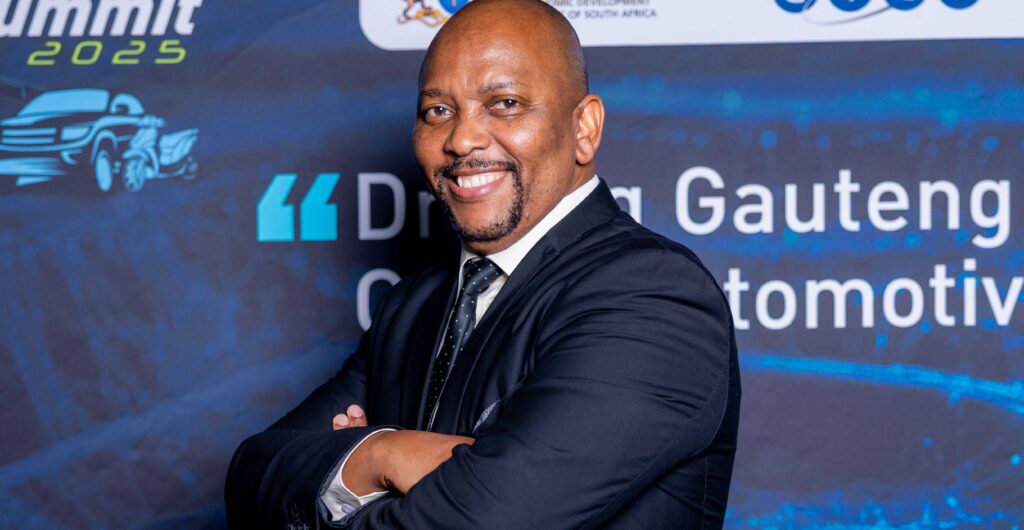
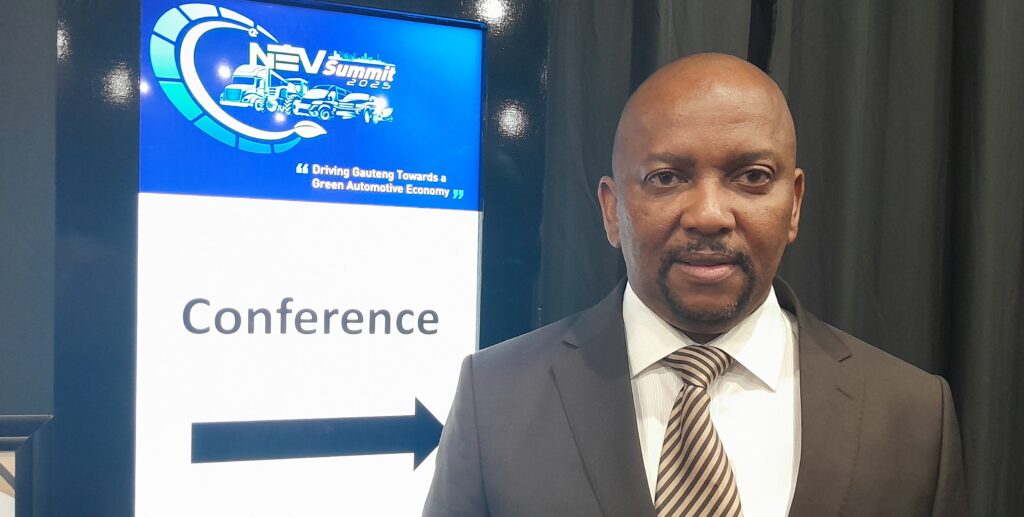
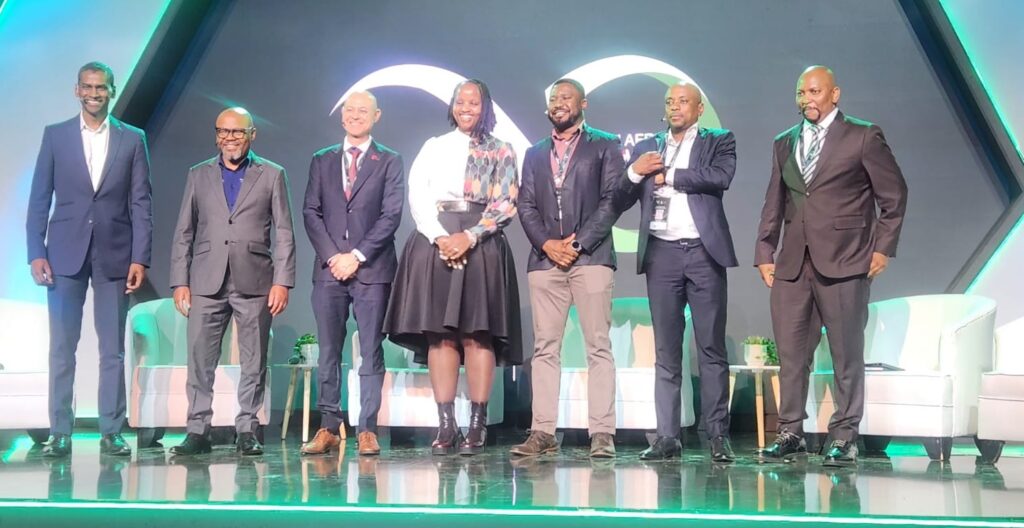
By Mandla Mpangase Day 1 of the New Energy Vehicles Summit provided much to think about. The opening day of the inaugural New Energy Vehicle (NEV) Summit in Midrand proffered a compelling combination of insights, inspiration and strategic direction, positioning South Africa, and Gauteng in particular, as a frontrunner in Africa’s transition to sustainable mobility. From the science behind hydrogen and battery-powered vehicles to the policies shaping South Africa’s green mobility roadmap, Day 1 covered a broad spectrum of issues. Delegates explored global trends, drew lessons from international case studies, including from China, and examined local readiness across policy, skills, and industry. In his summary remarks on the day, the CEO of the Tshwane Automotive Special Economic Zone (TASEZ), Dr Bheka Zulun, noted that the discussions were “not just about dialogue, but about direction”. Every presentation, he said, “was the emergence of a shared vision; one that sees South Africa transitioning into sustainable mobility and industrial renewal”. Gauteng, as the country’s industrial heartland, was described as playing a strategic role in the future of the automotive ecosystem, leveraging its strong logistics infrastructure and manufacturing base to attract investment and drive innovation. “Today affirmed South Africa’s readiness to lead Africa’s green mobility future,” Dr Zulu added. “The key message was about collaboration – between government, industry, academia, and innovators – to create jobs, empower small, medium and micro enterprises, and localise technology.” Dr Zulu likened this collaboration to a relay race, where each participant contributes their unique strength at different stages: “It’s not about competition, but coordination, knowing when and how to pass the baton to build momentum together.” Throughout the day, recurring themes included industrial transformation, skills development, and ensuring that technology and labour advance together for a just transition. Speakers also emphasised policy clarity and investment confidence, highlighting growing optimism in the local NEV manufacturing sector. The province called for “urban-driven industrialisation” that integrates energy policy, investment frameworks, and urban planning, aligning Gauteng’s innovation and logistics strengths to create a globally competitive green automotive hub. As the day concluded, participants agreed that the NEV revolution “is no longer a possibility, but a present reality”, and that South Africa’s leadership must act boldly and decisively to harmonise policy, infrastructure, and workforce development. “Our NEV transition is not a single-sector effort – it’s a national movement,” Dr Zulu emphasised. “We must plan boldly, invest bravely, and move together to make Gauteng cleaner, smarter, greener, and more connected.”

From policy to action: Now is the time for South Africa to embrace new energy vehicles

South Africa must move from policy to action as a matter of urgency, aligning incentives, infrastructure, skills, and industrial coordination around new energy vehicles, writes the CEO of Tshwane Automotive Special Economic Zone, Dr Bheka Zulu. [This article first appeared in Business Day – Time for SA to embrace new energy vehicles for export survival – 22 October 2025] South Africa’s automotive industry stands at a turning point. The global race toward low- and zero-emission mobility is accelerating, and for a country whose automotive exports hinge on access to the European market, embracing New Energy Vehicles (NEVs) is no longer optional, it has become an industrial necessity. The Electric Vehicle (EV) White Paper and the South African Automotive Masterplan 2035 (SAAM) together lay a strong policy and strategic foundation. The challenge now is moving from intent to implementation. The country has a clear opportunity to build an inclusive, competitive, and sustainable automotive industry powered by innovation, ready for a net-zero world. Transformation is a must The global automotive landscape is undergoing a profound transformation, driven by the urgency to reduce carbon emissions and achieve net-zero goals. The European Union’s carbon neutrality policies are among the most influential in this shift, setting strict timelines for phasing out internal combustion engine (ICE) vehicles and promoting zero- and low emission alternatives. The EU aims to be climate-neutral by 2050. The objective is to ensure an economy with net-zero greenhouse emissions. For South Africa, this presents both a challenge and an opportunity. The EU remains South Africa’s largest export market for vehicles, accounting for the bulk of automotive exports. A significant 68,7% of light vehicle production was exported in 2024, with three out of every four cars headed to Europe. This means that the EU’s green regulations will directly determine South Africa’s ability to continue trading competitively in this critical sector. Vehicles built in Gauteng and other parts of the country will increasingly need to meet low- or zero-emission standards to remain eligible for export. Transitioning now is not optional, it is essential. Early investment in NEV production, local battery manufacturing, and supporting infrastructure such as charging networks will safeguard South Africa’s market access, maintain its global competitiveness, and create a foundation for long-term industrial sustainability. Policy meets opportunity The EV White Paper charts a managed transition from internal combustion engines to cleaner technologies, ensuring decarbonisation does not lead to deindustrialisation. It sets out steps to localise EV production, develop charging infrastructure, and build skills for the future. The White Paper allows for a managed transition, setting out a number of processes: Developing domestic production and localisation of EVs and components; Phased fiscal support, import duty adjustments (especially for battery inputs), and tailored incentives to accelerate early uptake; Infrastructure requirements including charging networks, grid readiness, standardisation and inter-operability; and Mechanisms to coordinate across government, industry, labour and other stakeholders. It has identified 10 actions required to build an EV production ecosystem, including the beneficiation of critical minerals, battery reuse and refurbishment, regulatory alignment, and incentives for localisation. Complementing it, the South African Automotive Masterplan (SAAM 2035) envisions South Africa increasing local content in vehicle manufacturing, expanding exports, and doubling employment by 2035. SAAM 2035 sets out six focus areas: optimising the local market, developing the regional market, localisation, infrastructure development, industry transformation, and technology a skills development. Targets include: Increasing local content in assembled vehicles from around 39% to 60% by 2035; Growing South Africa’s share of global production to 1 %; Doubling employment in the sector across all tiers; Creating new tier-2 suppliers to broaden the supply chain, with a particular focus on black-ownership and localisation. Together, the EV White Paper and SAAM 2035 frame a just, inclusive transition that can preserve and grow the country’s industrial base. Driving Implementation Turning these policies into tangible outcomes depends on strong institutions. In Gauteng, the Gauteng Growth and Development Agency (GGDA), its subsidiary the Automotive Industry Development Centre (AIDC), and the Tshwane Automotive Special Economic Zone (TASEZ) are taking the lead. TASEZ, Africa’s first automotive city, is positioning itself as a hub for future-focused investment, where manufacturers and suppliers can plug into purpose-built infrastructure, training, and incentives. The AIDC, through its learning centres and supplier parks, is aligning skills and enterprise development with EV technologies. Together, these institutions are turning national ambition into provincial action. South Africa must act quickly to overcome power constraints, develop a local battery value chain, and align incentives to attract NEV and component investment. Global markets are already shifting and delays could cost South Africa export access, investor confidence, and thousands of jobs. A call to lead Africa’s NEV revolution The upcoming 2025 NEV Summit, hosted by GGDA, AIDC, and TASEZ on 22-23 October 2025 at the Gallagher Convention Centre, represents the next phase: uniting government, industry, and investors to accelerate implementation. From policy to action, South Africa’s NEV future depends on decisive execution. First published by Business Day Bheka Zulu: Time for SA to embrace new energy vehicles for export survival: 22 October 2025.

Gauteng gears up for green revolution as New Energy Vehicle Summit kicks off

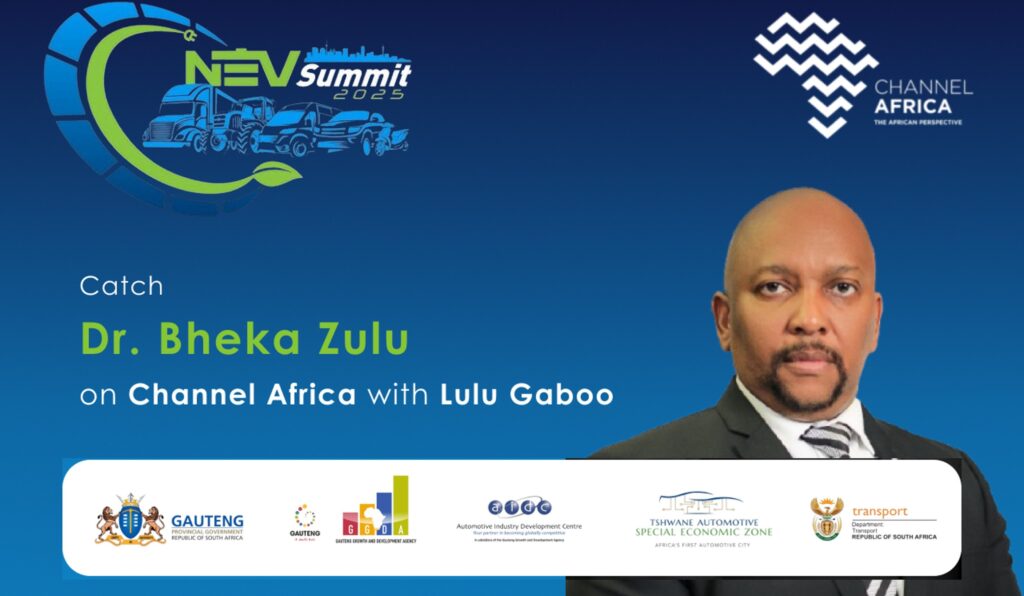
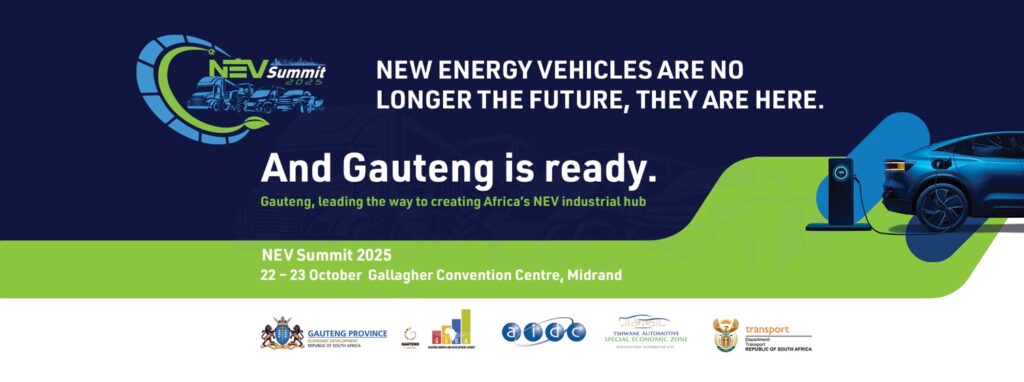
By Mandla Mpangase The inaugural New Energy Vehicle Summit is taking place this week in Gauteng, drawing attention to the importance and urgency of moving to green mobility within South Africa’s automotive industry. The landmark event, hosted by the Gauteng Growth and Development Agency (GGDA), the Automotive Industry Development Centre (AIDC), and the Tshwane Automotive Special Economic Zone (TASEZ), will assess the progress of the transition to new energy vehicles (NEVs), investigate possible partnerships, and plan practical strategies to accelerate the creation of a competitive local NEV ecosystem. Speaking ahead of the summit on Channel Africa’s Africa Update with Lulu Gaboo, the CEO of TASEZ, Dr Bheka Zulu, said the gathering marks more than just summit. “It’s a statement that Gauteng, as the heart of South Africa’s automotive sector, is ready to lead Africa’s technological shift,” said Dr Zulu. “With more than 60% of the country’s vehicles produced in this province, we are asserting South Africa’s leadership in the continent’s new energy vehicle transition.” Zulu said South Africa is no longer a “passenger” in the global race toward electric mobility. Since the release of the EV White Paper in 2023, the focus has been on positioning the country for global competitiveness through research, innovation, and partnerships. “We’re gearing up for the race on the global EV track,” he noted. “Our goal is to attract international investors, harmonise trade standards across African markets, and promote regional value chains that make South Africa the hub for sub-assemblies and NEV components.” Dr Zulu emphasised that the NEV Summit, taking place at the Gallagher Convention Centre on 22-23 October, will focus on building consensus between industry, labour, and government to develop a balanced roadmap for transformation, one that prioritises both ambition and pragmatism. Policy alignment Asked about policy readiness, Dr Zulu said South Africa already has the right frameworks in place, but faster implementation and targeted incentives are needed. “The road is paved; now we need the green light to move faster,” he said. “We must streamline tax incentives and develop charging infrastructure that supports local manufacturing and adoption.” The NEV shift represents a major opportunity for deepening local supply chains, creating high-value jobs, and transforming South Africa into the main exporter of NEV components across the continent. The South African Automotive Masterplan 2035 (SAAM 2035) is a key enabler of the transition, with its goals to increase local content from 40% to 60% and to double employment in the sector. It is supported by the EV White Paper. “This is not just about swapping the engine for a battery,” he said. “It’s about creating new high-value jobs and ensuring that no one is left behind, including workers, black industrialists, and small suppliers.” At the heart of the TASEZ strategy is inclusivity, with initiatives to upskill the existing workforce, mentor small component manufacturers, and facilitate partnerships between local suppliers and global OEMs. Collaboration is vital Dr Zulu stressed that while Original Equipment Manufacturers (OEMs) like Ford play a critical role, the NEV opportunity is open to new entrants and innovators. “The NEV space is for everyone,” he said. “We want to see new black industrialists and emerging OEMs entering the field. This is the transformation we’ve been driving.” Although reliable energy and charging infrastructure remain a challenge, partnerships are being developed to roll out a national charging network and invest in renewable solutions. “We are identifying key sites and collaborating with private partners to ensure charging infrastructure keeps pace with NEV adoption,” he said. With the European Union’s zero-emission and carbon border adjustment policies set to take effect by 2035, dr Zulu said South Africa must align its timelines and environmental standards with international expectations. “We’re adapting our manufacturing processes to reduce coal-based energy use and increase solar, gas, and hydrogen integration,” he said. “Our ambition is to match the EU’s climate neutrality goals and maintain export competitiveness.” Looking ahead to 2035, Dr Zulu concluded: “We want NEVs to form a significant part of local production, deepen component manufacturing, and make South Africa the hub of NEV exports to Africa and beyond,” he said. “Most importantly, we want this transition to create jobs, skills, and shared prosperity.” The New Energy Vehicle Summit 2025 takes place from 22 to 23 October at Gallagher Convention Centre, bringing together industry leaders, policymakers, and investors to chart South Africa’s journey towards a greener automotive future.

South Africa gears up for new energy vehicle transition

South Africa’s transition to a green, sustainable automotive sector is gathering momentum with the launch of the inaugural New Energy Vehicles (NEV) Summit next week. The summit, hosted by the Gauteng Growth and Development Agency (GGDA), Automotive Industry Development Centre (AIDC), and the Tshwane Automotive Special Economic Zone (TASEZ), will be held on 22–23 October 2025 at the Gallagher Convention Centre in Midrand. This summit will see policymakers, Original Equipment Manufacturers (OEMs), investors, and innovators designing a roadmap to accelerate the South Africa’s transition to NEVs, marking a major milestone in South Africa’s journey towards a low-carbon, globally competitive automotive future. While the South African Automotive Masterplan (SAAM 2025) and the Electric Vehicle White Paper already provide a framework for transformation, the NEV Summit, is where policy turns into results. The event will showcase progress, partnerships, and practical steps towards building a robust local NEV ecosystem. As South Africa’s industrial heartland, Gauteng produces a significant share of the country’s automotive manufacturing – one third of all of the country’s automotive output – and has the infrastructure, logistics, and talent to scale up its NEV manufacturing. With the European Union’s carbon neutrality policies reshaping global trade, South Africa’s automotive exports, with the common destination being the EU, must increasingly meet low- or zero-emission standards. The NEV Summit underscores the urgency of adapting now to safeguard market access, competitiveness, and long-term sustainability. Key themes at the 2025 NEV Summit: Policy alignment and industrial readiness for NEV manufacturing. Green economy investment and financing opportunities. Skills development and workforce transition. Infrastructure and technology partnerships to enable NEV production and uptake. As South Africa’s automotive sector evolves, GGDA, AIDC, and TASEZ is at the forefront of driving inclusive, green industrialisation, ensuring that the transition to cleaner mobility not only meets global standards but also creates sustainable local jobs and growth opportunities.

Reimagining the future of SA’s auto industry

By Mandla Mpangase Collaboration, skills development, and a bold push into Africa were the recurring themes during the “Value of reimagining the future, together” panel discussion hosted by naamsa during the South Africa Auto Week 2025 in Gqeberha on Wednesday. Moderated by Shinny Gobiyeza, Chief Operations Officer at naamsa (The Automotive Business Council), the high-level dialogue on 1 October 2025 brought together leading voices from finance, manufacturing, technology, and industrial development to explore how South Africa can secure its place as the continent’s automotive hub. A shared vision for 2035 CEO of TransUnion Africa, Lee Naik, set the tone by urging stakeholders to think long-term. “South Africa’s biggest challenge is not that we don’t have answers, but that we haven’t created enough spaces for honest, collective dialogue. If we can start aligning around 2035 as a target, we can fill the gaps left by global markets like the US. It begins with conversations like this,” he said. The South African Automotive Master Plan sets out key targets for the country’s automotive sector to reach by 2035, including increasing vehicle production to 1.4 million vehicles a year and raising localisation levels in South African-manufactured vehicles from an average of 40% to 60%. Managing executive of Absa vehicle and asset finance, Charl Potgieter, highlighted the industry’s dual role as a GDP driver and social enabler. “The automotive industry contributes 5.2% to South Africa’s GDP, and it creates hundreds of thousands of jobs. But beyond that, it carries our people to work, to school, to worship, to family. How can we not invest in ensuring more South Africans gain access to mobility?” WesBank’s CEO Robert Gwerengwe, echoed the sentiment. “Mobility is not just about vehicles; it’s about giving people access to the economy. A job, an education, the ability to operate in society – that’s what we finance. If we only focus on market share, we’ve missed the point.” Infrastructure and logistics as catalysts For the CEO of Tshwane Automotive Special Economic Zone (TASEZ), Dr Bheka Zulu, the future hinges on building resilient logistics networks. “If you look at the topic of the panel discussion, we are imagining the future as a collective, and it’s a collective that is sitting with a bit of uncertainty in terms of how the market flows,” Dr Zulu noted. Focusing on the term ‘together’, the TASEZ CEO observed that all in the industry need to find solutions for the country. “The reality is that we are sailing through some stormy the waters … and the shift in the industry fostered by digitisation and the issue of sustainability is what is rocking some of the boats,” he added. “Cargo is king. South Africa has over a century of automotive manufacturing expertise, but unless we create sustainable, cost-effective logistics value chains, we will lose our competitive edge,” Dr Zulu said. “Special Economic Zones must serve as gateways to Africa, linking industrial complexes with continental markets through efficient trade corridors.” Dr Zulu emphasised the need to look to the African Market. “We should be focusing on the market that we have, which is African market. We’ve got a capture market. We’ve got a market that we understand. How are we allowing the east to come and penetrate a market that we better understand.” CEO of Accenture Africa, Kgomotso Lebele, stressed the importance of transformation and localisation. “The industry must not be seen in isolation. It sits at the heart of reforms in renewable energy, mining, technology, and skills. If we get localisation right, we scale employment and create opportunities for entrepreneurs to enter global value chains.” The Automotive Industry Development Centre’s CEO Andile Africa, pointed to the practical progress made through incubation programmes pairing small enterprises with global OEMs. “We have entrepreneurs who started as tier-three suppliers and now serve major manufacturers. Transformation is possible, but it requires patience, scale, and deliberate partnerships.” Data, skills and financial inclusion Naik reminded the audience of the stark exclusion still facing millions. “There are 16 million South Africans with hopes and dreams of mobility, but the financial system says no. Technology and data can change that. Using AI and alternative data sources, we can give millions a chance to access finance, mobility, and opportunity.” The skills gap was another recurring theme. Panelists agreed that without investment in AI, robotics, and digital capabilities, South Africa risks losing its automotive competitiveness. “The future is youthful. Our continent’s young people hold the key – if we equip them with the right skills today,” said Lebele. The discussion concluded with a shared recognition that South Africa’s automotive industry cannot afford fragmented efforts. Policy certainty, infrastructure investment, financial inclusion, and regional integration were all identified as non-negotiables. “Let’s stop duplicating efforts,” urged Gobiyeza. “The industry must stand as SA Inc., put its best foot forward, and show OEMs that South Africa is not only open for business but is the natural gateway to Africa’s automotive future.”