Tasez

job creation

TASEZ CEO to spotlight Africa’s automotive opportunity at SEZ Summit in Durban

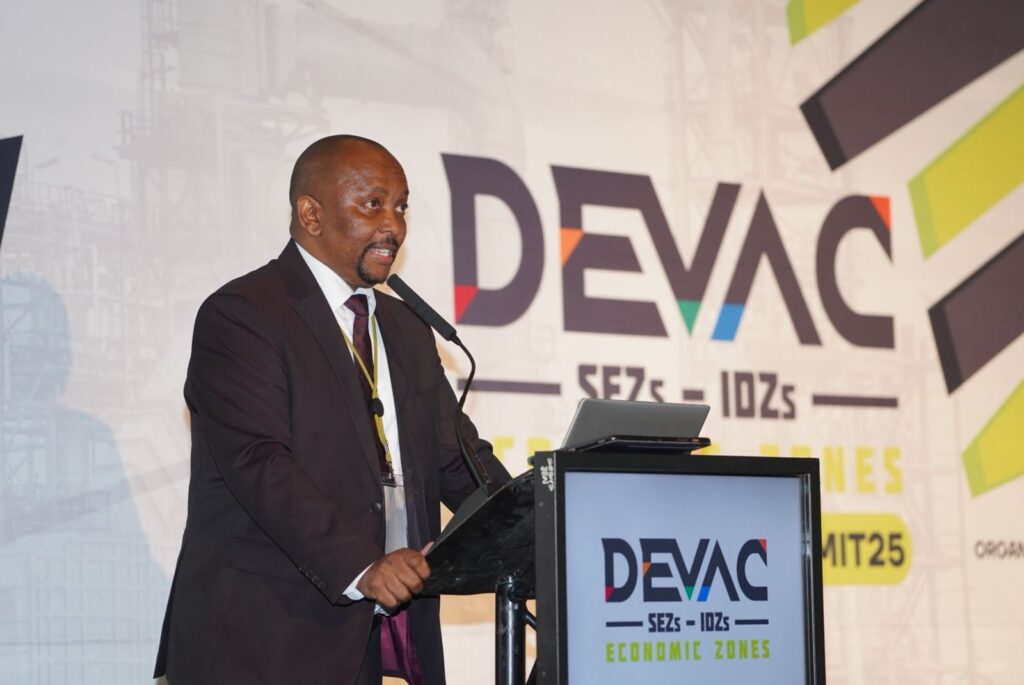
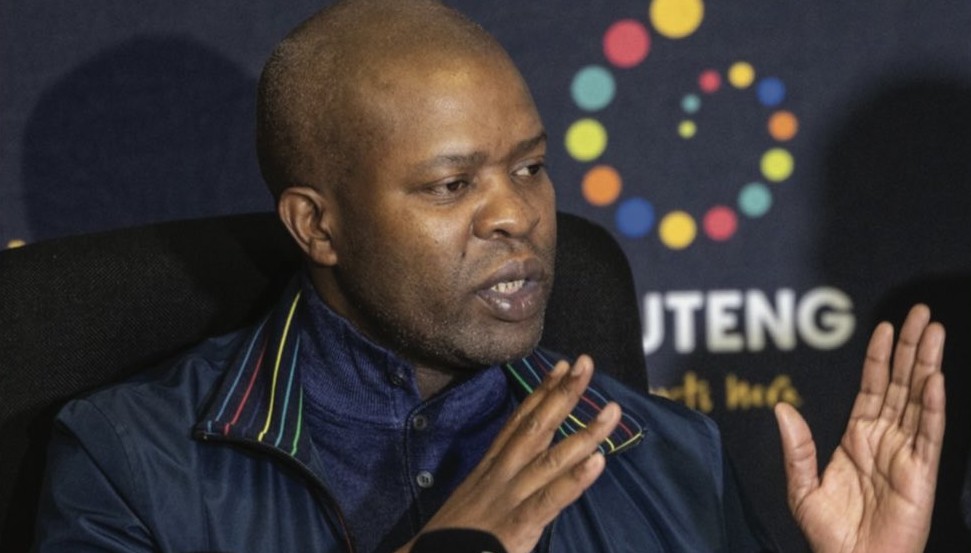
By Mandla Mpangase A summit focused on how economic zones can be a growth opportunity for South Africa gets underway in Durban, KwaZulu-Natal today. Taking place from 3 – 4 December 2025 under the theme “Transforming Africa’s economy: Catalysing growth and future investment by enhancing competitiveness through SEZ and IDZ projects”, the DEVAC Special Economic Zones/Industrial Development Zones Summit brings together governments, representatives from SEZs and IDZs, private-sector leaders, development experts, and global investors to map out the next era of Africa’s industrial expansion. The Tshwane Automotive Special Economic Zone (TASEZ) CEO Dr Bheka Zulu will be a key panellist on 4 December 2025 in a high-level discussion exploring how Africa can unlock greater value from its emerging automotive sector. Driving value addition and youth employment through innovation Dr Zulu will join the panel titled “Leveraging industrial clustering, 4IR, and Africa’s emerging auto sector to drive value addition and youth employment in SEZs”. The session will unpack how SEZs can accelerate industrialisation through advanced manufacturing, Fourth Industrial Revolution technologies, and integrated value chains – areas  in which TASEZ has rapidly positioned itself as a national leader. TASEZ has become South Africa’s fastest- growing automotive hub and a cornerstone of the country’s reindustrialisation agenda. Dr Zulu’s contribution to the panel is expected to provide practical insights into how SEZs can cultivate specialised skills, create youth employment, and attract sustainable investment by leveraging industrial clustering and global automotive trends. The discussion will be moderated by Prof. Joe Amadi-Echendu from the University of Pretoria’s Engineering and Technology Management faculty. Dr Zulu will be joined by a distinguished group of panellists, including: Nomvula Shongwe-Gulwako, Acting CEO, Royal Science and Technology Park, Eswatini Tapiwa Samanga, Group CEO, Production Technologies Association of South Africa (PtSA) Dr Luyolo Mabhali, Executive Cluster Manager: Future Production – Manufacturing, CSIR Anathi Mlungwana, Unit Head: Trade Facilitation, Coega Development Corporation Philip Krause, Consulting Manager: Transport, Pegasys Global Consulting Together, the panel will explore how economic zones can shift from traditional manufacturing to innovation-driven ecosystems that promote competitiveness, integrate regional value chains, and support Africa’s industrial ambitions. Unlocking the full potential of economic zones The summit itself underscores the growing importance of SEZs and IDZs in driving Africa’s economic future. These zones, designed to boost local industries, streamline investment processes, and enhance regional exports, are central to the continent’s efforts to compete in a rapidly evolving global economy. While SEZs and IDZs offer significant promise, their potential remains under-utilised due to challenges ranging from infrastructure gaps to regulatory complexity and limited financing. The summit aims to address these barriers by strengthening collaboration among governments, investors, and industry leaders. A strategic moment for Africa As global demand shifts toward greener manufacturing, digital transformation, and resilient supply chains, Africa’s economic zones—particularly in high-growth sectors like automotive production—are poised to play a defining role. Dr Zulu’s participation signals South Africa’s commitment to shaping that future, positioning TASEZ not only as a national success story but as a continental model for how innovation and industrial clustering can transform economies and create sustainable employment. The summit’s insights are expected to guide future investment, strengthen partnerships, and accelerate the development of competitive and globally connected economic zones across Africa.
TASEZ shows how SA can build an economy that works for all

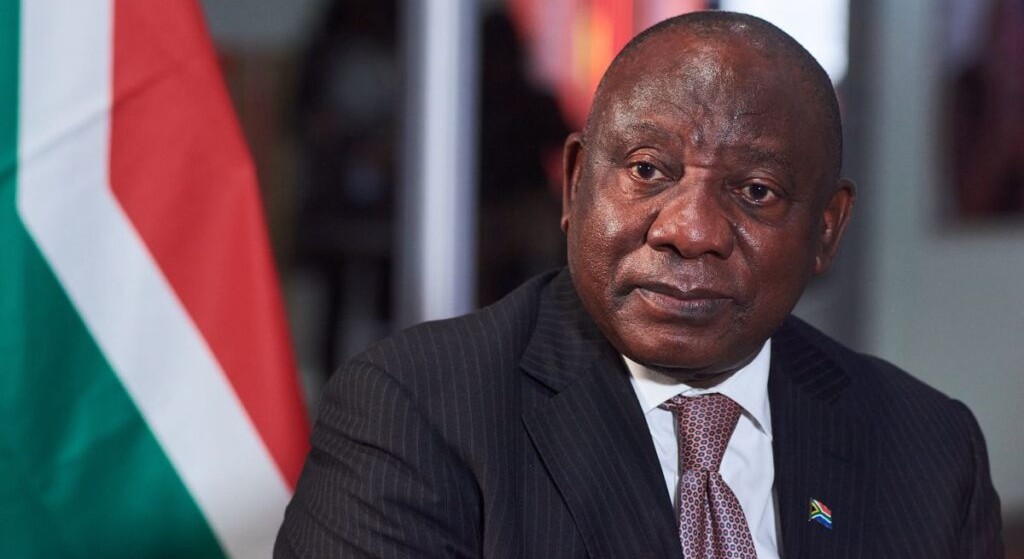
By Mandla Mpangase Every South African knows that when infrastructure fails, life becomes harder. Jobs disappear. Businesses relocate. Communities lose hope. But when infrastructure works, everything else begins to work too. Factories stay open. Investors arrive. That is the import of the speech given on 13 November 2025 by President Cyril Ramaphosa at the National Construction Summit held in Kempton Park, Ekurhuleni. “We are a gathered here not just to talk about building an industry, but to build a nation,” the president said, adding: “We are gathered here to share a dream and determination to build a country that works for all its people. South Africa’s national economic drive has never been only about building structures; it has always been about building a country that gives every person a fair chance – something clearly articulated in the National Development Plan (Vision 2030). And the message has been clearly stated through the years of democracy. “From a social development perspective, infrastructure provides people with what they need to thrive,” President Ramaphosa told the summit participants. “It improves the quality of life and can play a key role in reducing inequality. Through reliable infrastructure we can boost productivity and reduce costs of living.” It also provides countries with what they need to grow and develop. “Infrastructure facilitates trade and commerce. When we boost infrastructure through the construction industry we attract investment.” And few places capture this mission more clearly than the Tshwane Automotive Special Economic Zone (TASEZ). Where infrastructure becomes industrial strength “Infrastructure is the backbone of development because, among many other reasons, it bolsters economic competitiveness and sustainability. Without infrastructure economic growth slows down, inequality deepens and the quality-of-life declines,” Ramaphosa said. For years, underinvestment in roads, rail and logistics has held back the key sectors of mining, agriculture, and manufacturing. But South Africa is now shifting course. As the president pointed out: “Infrastructure is poised to once again become the flywheel of the economy. Infrastructure investment is one of the most effective levers for stimulating economic activity.” This is evident in the employment figures released by Statistics SA earlier this week. The latest Quarterly Labour Force Survey released by Statistics South Africa in November 2025 indicates a decrease in the official unemployment rate from 33.2% in the second quarter of this year to 31.9% in the third quarter. Employment increased by 248 000 in the third quarter, with construction the largest contributor with 130 000 new jobs. This is not an accident. It is the result of a deliberate national effort to turn infrastructure into a growth engine. And TASEZ is one of the clearest examples of what that looks like in practice. The special economic zone (SEZ) is proof that when investment is made in the right infrastructure such as reliable power, efficient logistics, modern digital systems, further investment is made, jobs are created, and industrial capability is strengthened. TASEZ is where South Africa’s automotive future is being built, factory by factory, with global manufacturers choosing the Tshwane SEZ because the fundamentals are already in place. A model for inclusive growth The zone is succeeding not only because of its industrial strength but because of its social impact. It is bringing economic activity to communities long left on the periphery. It is creating opportunities for young people entering technical fields. It is giving small businesses a stake in a globally competitive value chain. As TASEZ CEO, Dr Bheka Zulu, notes: “When we talk about spatial redress, this is what it looks like: development that doesn’t speak about communities but works with them.” Towards investment Government has committed R1-trillion in infrastructure spending over the medium term, alongside reforms to unlock greater private investment. Procurement war rooms, new public-private partnership guidelines and accountability frameworks are designed to ensure that projects do not stall but move quickly from planning to ground-breaking. As the world prepares to join South Africa for the G20 Leaders’ Summit, the country is showing what renewal looks like on the ground. Roads being rebuilt. Industrial zones like TASEZ expanding. If this momentum is sustained, TASEZ will not be the exception but the blueprint, demonstrating what is possible when strong infrastructure, a capable state and committed investors come together.  

Gauteng takes the wheel: Driving Africa’s NEV future

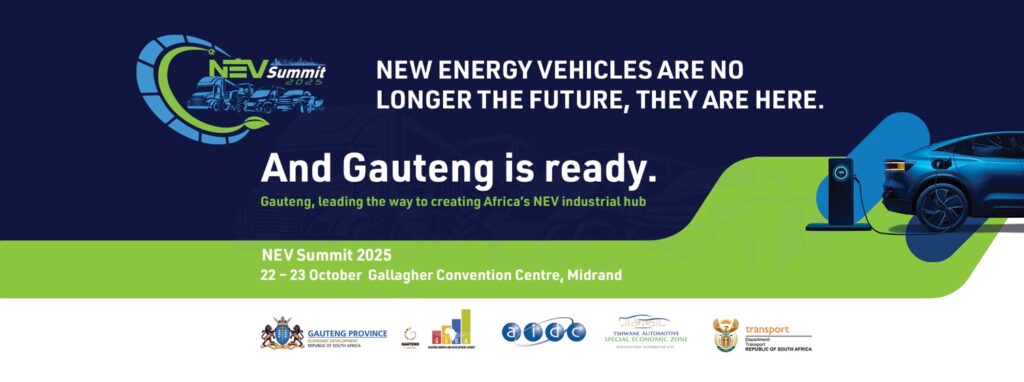
South Africa’s shift to green mobility is no longer a distant idea, it is now a commercial necessity, and the economic heartland of the country must take the lead in embracing New Energy Vehicles as a core economic sector for the country – and the rest of Africa, writes Lebogang Maile, Gauteng MEC for Finance and Economic Development. Gauteng is stepping up to lead South Africa, and Africa, into the new-energy vehicle (NEV) era. The province, already the country’s economic and industrial centre, is positioning itself as the continent’s NEV hub. The province is set to host its inaugural NEV Summit on 22–23 October 2025, during the country’s Transport Month, under the auspices of the Gauteng Growth and Development Agency, along with the Automotive Industry Development Centre (AIDC) and the Tshwane Automotive Special Economic Zone (TASEZ). South Africa’s shift to green mobility is no longer a distant idea, it is now a commercial necessity. Global markets, particularly the European Union, are tightening carbon regulations. For South Africa to keep exporting vehicles and stay competitive, it must move fast to build an industry that produces low- and zero-emission cars. Laying the foundation The transition is backed by strong policy frameworks. The South African Automotive Master Plan 2035 (SAAM 2035) sets clear goals for increasing local content, boosting exports, and creating inclusive growth. The government’s White Paper on electric vehicles, approved at the end of 2023, provides a roadmap for building the NEV ecosystem from production and charging infrastructure to skills development and consumer incentives. Although the paper references electric vehicles, South Africa must take account of other green initiatives such as hydrogen and battery. The policy direction is clear – our job is to make sure Gauteng becomes the first mover. The NEV transition is about jobs, skills, and industrialisation not just greener cars. We are ready to lead Africa in this journey. Gauteng: South Africa’s economic hub South Africa’s economic hub has all the right ingredients: skilled workers, advanced manufacturing infrastructure, financial and logistics networks, and a strong automotive heritage. Ford, based in the City of Tshwane, has been in South Africa for over a century. Gauteng’s existing automotive value chain makes it the natural home for Africa’s NEV future. The province already hosts major original equipment manufacturers like BMW, Ford, Nissan, Tata and Iveco, and supplier networks that can pivot to battery, electronics, and component manufacturing. We already have the backbone, from vehicle assemblers to tiered suppliers. What we are doing now is aligning that value chain with new technologies, from battery assembly to software integration. The transition is not just about attracting investment; it’s about future-proofing Gauteng’s manufacturing economy. Turning policy into factories Gauteng is now focused on turning national policy into tangible projects. The Automotive Investment Scheme (AIS) and new EV production incentives announced by the Department of Trade, Industry and Competition (the dtic), including a 150% investment allowance for qualifying projects, are key tools to make that happen. We are working closely with the dtic and industry stakeholders to streamline approvals and remove red tape. Investors do not want promises, they want certainty. Gauteng is offering that – a clear pathway from policy to plant. But we are also well aware of the challenges we face, from electricity reliability and logistics to the high costs of new technologies. One of the key projects we have put in place to overcome these, is the creation of a dedicated automotive hub in the City of Tshwane, with stable power, fast-tracked permitting, and shared testing and recycling facilities to lower entry barriers for manufacturers. Building demand and inclusion A vibrant NEV industry also needs a domestic market, and Gauteng is exploring ways to stimulate demand through public fleet electrification, taxi modernisation programmes, and municipal procurement. Demand creation will be critical to attracting more investors. OEMs and suppliers want to see that South Africa is serious about NEVs – that there is a real market for these vehicles. If we in government lead by example through fleet conversion, others will follow. Gauteng has the opportunity to set that example for the rest of the continent. Beyond manufacturing, Gauteng’s NEV strategy emphasises skills development and inclusion. The transition is being designed to create opportunities for black-owned medium, small, and micro enterprises, youth, and women entrepreneurs in new parts of the value chain, from charging infrastructure to digital mobility services. A turning point for the economy The upcoming NEV Summit is expected to produce a clear action plan: identifying priority sites, announcing anchor investors, setting timelines for disbursing incentives, and mapping out power and logistics upgrades. This summit is not just about speeches; it is about signatures. We want commitments, timelines, and projects that will create jobs and secure Gauteng’s place at the centre of Africa’s new energy future. If Gauteng can convert its strategic intent into action, the province will not only revitalise South Africa’s automotive manufacturing base but also anchor the continent’s NEV revolution. The race to lead Africa’s green mobility future has begun and Gauteng plans to be first across the line.

South Africa gears up for new energy vehicle transition

South Africa’s transition to a green, sustainable automotive sector is gathering momentum with the launch of the inaugural New Energy Vehicles (NEV) Summit next week. The summit, hosted by the Gauteng Growth and Development Agency (GGDA), Automotive Industry Development Centre (AIDC), and the Tshwane Automotive Special Economic Zone (TASEZ), will be held on 22–23 October 2025 at the Gallagher Convention Centre in Midrand. This summit will see policymakers, Original Equipment Manufacturers (OEMs), investors, and innovators designing a roadmap to accelerate the South Africa’s transition to NEVs, marking a major milestone in South Africa’s journey towards a low-carbon, globally competitive automotive future. While the South African Automotive Masterplan (SAAM 2025) and the Electric Vehicle White Paper already provide a framework for transformation, the NEV Summit, is where policy turns into results. The event will showcase progress, partnerships, and practical steps towards building a robust local NEV ecosystem. As South Africa’s industrial heartland, Gauteng produces a significant share of the country’s automotive manufacturing – one third of all of the country’s automotive output – and has the infrastructure, logistics, and talent to scale up its NEV manufacturing. With the European Union’s carbon neutrality policies reshaping global trade, South Africa’s automotive exports, with the common destination being the EU, must increasingly meet low- or zero-emission standards. The NEV Summit underscores the urgency of adapting now to safeguard market access, competitiveness, and long-term sustainability. Key themes at the 2025 NEV Summit: Policy alignment and industrial readiness for NEV manufacturing. Green economy investment and financing opportunities. Skills development and workforce transition. Infrastructure and technology partnerships to enable NEV production and uptake. As South Africa’s automotive sector evolves, GGDA, AIDC, and TASEZ is at the forefront of driving inclusive, green industrialisation, ensuring that the transition to cleaner mobility not only meets global standards but also creates sustainable local jobs and growth opportunities.

RFQ 051/2025: Provision of GRAP Training Services

The Tshwane Automotive Special Economic Zone (TASEZ) is looking to appoint a service provider to provide two days comprehensive Generally Recognised Accounting Practise (GRAP) training to the TASEZ finance team at their offices in Pretoria. Closing date: 14 October 2025, at 12h00. Download RFQ051/2025 here

TASEZ celebrates Women’s Month with empowering event

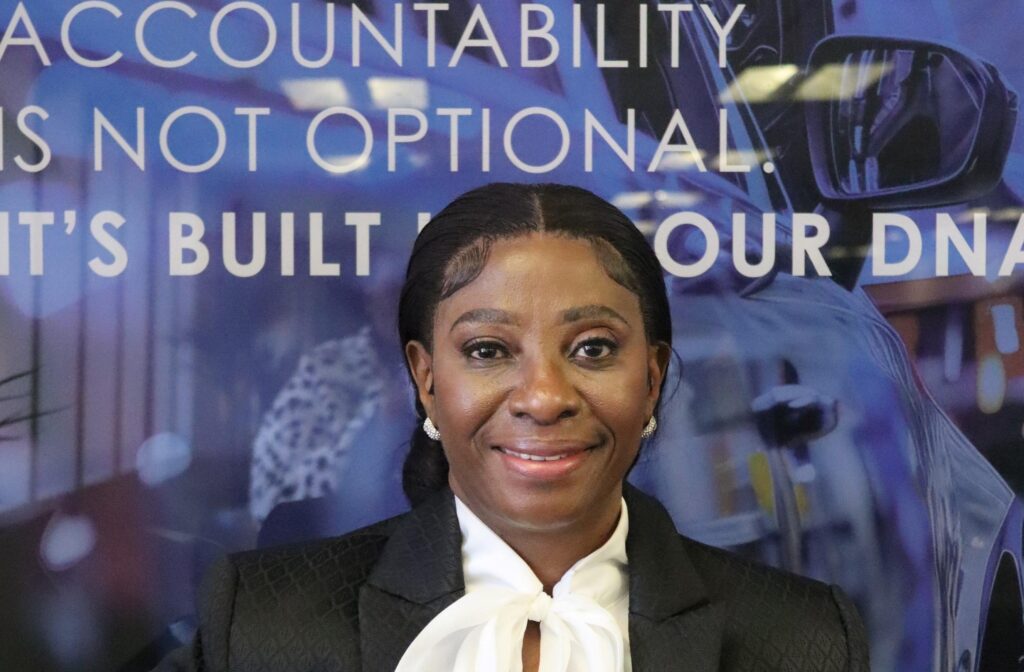
As Women’s Month draws to a close, the Tshwane Automotive Special Economic Zone (TASEZ) has begun the countdown to its highly anticipated Women’s Month event on Friday, 29 August 2025. This year’s event, taking place under the theme “Defining your complete self”, promises to be a vibrant celebration of women’s contributions to South Africa’s industrial and economic landscape. The theme encapsulates the essence of the day, a call for women to embrace every facet of who they are. It is about recognising authenticity while creating space for softness and independence. Adding to the magic, participants will be captivated by the words of a featured poet, whose performance will bring the theme to life through the power of storytelling. This gathering is not just a celebration of women’s accomplishments but an acknowledgment of their wholeness as individuals. The event will bring together women from diverse backgrounds, including leaders from the special economic zones (SEZs) and the manufacturing sector, to share their experiences of being a woman in an economic environment that is often perceived as “a man’s world”. The theme reflects TASEZ’s commitment to empowering women to embrace their full potential, professionally, personally, and socially, while inspiring the next generation of leaders to break barriers and redefine success. The Women of the SEZs initiative: A catalyst for change Since its inception in 2023, the Women of the SEZs initiative, launched by TASEZ, has been a transformative platform, helping amplify the voices, contributions, and aspirations of women within South Africa’s SEZs. By fostering an inclusive environment, TASEZ is ensuring that women are not only participants but also drivers of innovation and progress in South Africa’s industrial sector. Inspiring conversations and insights The 2025 Women’s Month event will feature a diverse panel of women who will share their journeys and insights on how women can define and embrace their “complete selves” in the context of South Africa’s evolving economy. Participants in the event can expect thought-provoking stories of overcoming challenges, balancing personal and professional growth, and creating pathways for future generations. “We are thrilled to host this event as a culmination of Women’s Month,” said TASEZ CFO Rebecca Hlabatau. “Our goal is to celebrate the resilience and achievements of women while encouraging them to embrace their multifaceted identities and lead with confidence.” A commitment to empowerment TASEZ’s dedication to women’s empowerment extends beyond this event. Through ongoing initiatives, TASEZ continues to create opportunities for women to thrive in traditionally male-dominated industries. By providing access to job opportunities, training, and mentorship, TASEZ is helping women build sustainable careers and take on roles that shape the future of South Africa’s economy. And this Women’s Month event will be marked with style, substance, creativity, and celebration, a fitting tribute to the women who shape our present and inspire our future.