A key lesson from the 2025 G20 Summit: Industrialisation must power SA’s economic growth
27 November 2025
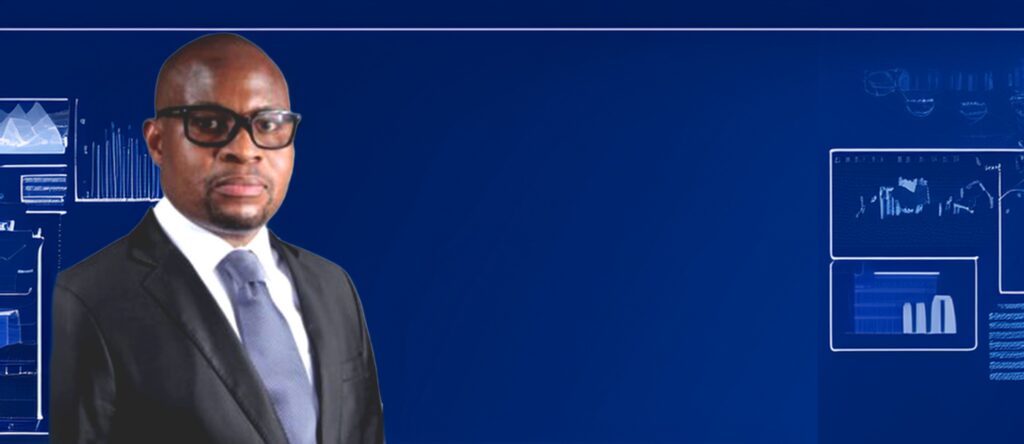
As South Africa concludes its historic G20 Presidency, the first to be hosted on African soil, a clear message has emerged: the world is ready to recognise Africa as a central engine of shared prosperity, writes the Chairperson of the Tshwane Automotive Special Economic Zone, Maoto Molefane. We must make the most of the momentum.
On the weekend of 22 and 23 November 2025, the G20 heads of states gathered in Johannesburg to endorse commitments that speak directly to the continent’s long-standing aspirations: equitable development, sustainable industrialisation, resilient economies, and fair participation in global trade.
For South Africa, and for advanced industrial platforms like the Tshwane Automotive Special Economic Zone (TASEZ), this moment is far more than just a diplomatic symbolism, it is about the acceleration of economic growth to combat poverty and inequality, with industrialisation serving as a key driver of inclusive growth, job creation, and global competitiveness.
The G20 2025 mandate
President Cyril Ramaphosa’s closing message from the G20 Summit underscored the stakes.
South Africa’s development needs – jobs for young people, robust infrastructure, energy security, thriving export industries – require global stability, inclusive growth and a level playing field.
The G20 outcomes align directly with South Africa’s industrial ambitions:
- A new global approach to critical minerals ensures that mineral-rich countries like South Africa benefit from beneficiation at home – a key component of the localisation drive of the South African Automotive Masterplan 2035.
- Commitments to climate finance strengthen the foundation for a just energy transition that protects workers, communities, and industrial capacity – ensuring that South Africa becomes a sustainable and resilient country based on a green economy.
- Debt relief discussions aimed at freeing the liquidity of developing nations, thus enabling them to invest in critical infrastructure, skills development programmes and innovation – all of which are essential inputs of industrial expansion.
- Support for disaster-resilient economies, safeguarding industrial zones and supply chains from climate-related shocks.
These are not abstract policy wins. They reshape the environment in which industrial zones like TASEZ operate: they unlock space for growth that is sustainable, technologically advanced and globally aligned.
As President Ramaphosa said: “Together, we must accelerate progress towards the 2030 Sustainable Development Goals and the Pact for the Future. We have laid the foundation of solidarity. Now we must build the walls of justice and the roof of prosperity.”
Industrialisation as an engine for growth
Given that the 2025 G20 provided a strong voice for Africa, it must be noted that the continent has anchored the world’s supply chains for far too long without capturing its share of industrial value.
“The greatest opportunity for prosperity in the 21st century lies in Africa,” President Ramaphosa said in his closing remarks.
He described the continent as a driving force for future growth, innovation, mineral beneficiation, climate resilience and energy transition.
The 2025 G20 Declaration calls for structural reforms, investment mobilisation, and digital transformation that place industrialisation at the heart of global development priorities.
What this means for South Africa is that the country must build, manufacture, innovate, export, and compete.
This is the work TASEZ – Africa’s first automotive city – was created to do.
Based in the country’s capital city, TASEZ is demonstrating what coordinated industrial policy can achieve:
- World-class manufacturing platforms supporting global automotive brands and their suppliers;
- Localisation programmes that deepen South Africa’s manufacturing base and stimulate small business participation;
- Green industrial infrastructure that positions the zone for the new energy and electric vehicle and hydrogen and solar economies; and
- Skills programmes that equip young people for advanced manufacturing and digital production.
TASEZ is not just an industrial hub, it is a catalyst for economic resilience and can serve as a model for the equitable, future-oriented development highlighted in the G20 Declaration.
Beneficiation is a must
The global commitment to fair critical mineral development provides South Africa with a generational opportunity: to build integrated value chains centred on electric vehicles, battery manufacturing, renewable energy components and advanced materials.
As the President noted, minerals must become “a source of prosperity and sustainable development in the countries that produce them”.
This aligns perfectly with South Africa’s automotive transition strategy and TASEZ’s expansion into green manufacturing, downstream processing and high-value production clusters.
The President called the 2025 summit the People’s G20, characterised by the engagement of business, labour, youth, scientists, mayors and civil society. This spirit of collaboration is the very essence of effective industrialisation and special economic zones implementation/development, both of which rely on coordinated action between government, investors, communities and workers.
South Africa’s G20 success, combined with improving economic indicators and growing confidence in our reform programme, demonstrates that the country is ready for a new industrial chapter based not on extractive development, but a shared value, skills development, innovation, and sustainable manufacturing.
Looking ahead
As global leaders return home, the world’s attention shifts from diplomacy to delivery.
For TASEZ, the task is to translate the political momentum of the G20 into practical industrial capacity.
The Johannesburg G20 summit marks a critical turning point for global industrialisation, especially for Africa.
The commitments around infrastructure, climate transition, and inclusive development resonate deeply with our vision to build a sustainable, high-tech automotive hub that benefits local communities, talents, and small industrial players.
However, for this to be more than rhetoric, the world must translate pledges into concrete investment, local value-chain development, and support for medium, small, and micro enterprises.
The timing could not be better, as TASEZ ratchets up its Phase 2 developments.
TASEZ will be focused on:
- Attracting green manufacturing investments;
- Accelerating automotive and component localisation;
- Supporting small business entry into advanced value chains;
- Building human capital for future industries;
- Expanding export-ready industrial infrastructure; and
- Driving the beneficiation of minerals linked to electric vehicle and battery manufacturing.
The G20 Summit has shown the world what South Africa can achieve when united by purpose.
As President Ramaphosa said: “Let us move forward together, demonstrating to the world that we have the capacity to confront and overcome the world’s challenges. Through partnerships across society, and by remembering our common humanity, we can create a more secure, a more just and a more prosperous world. Together, we can ensure that no one is left behind.”
Now, industrialisation must carry that momentum forward. TASEZ stands ready to be part of that charge.